Moving to Noblesville and trying to decode the housing market? You are not alone. As a fast-growing Hamilton County city tied to the Indianapolis metro, Noblesville moves with both local and regional forces. In this guide, you will learn how to read key signals like inventory, days on market, price bands, and seasonality so you can act with confidence. Let’s dive in.
How Noblesville’s market works
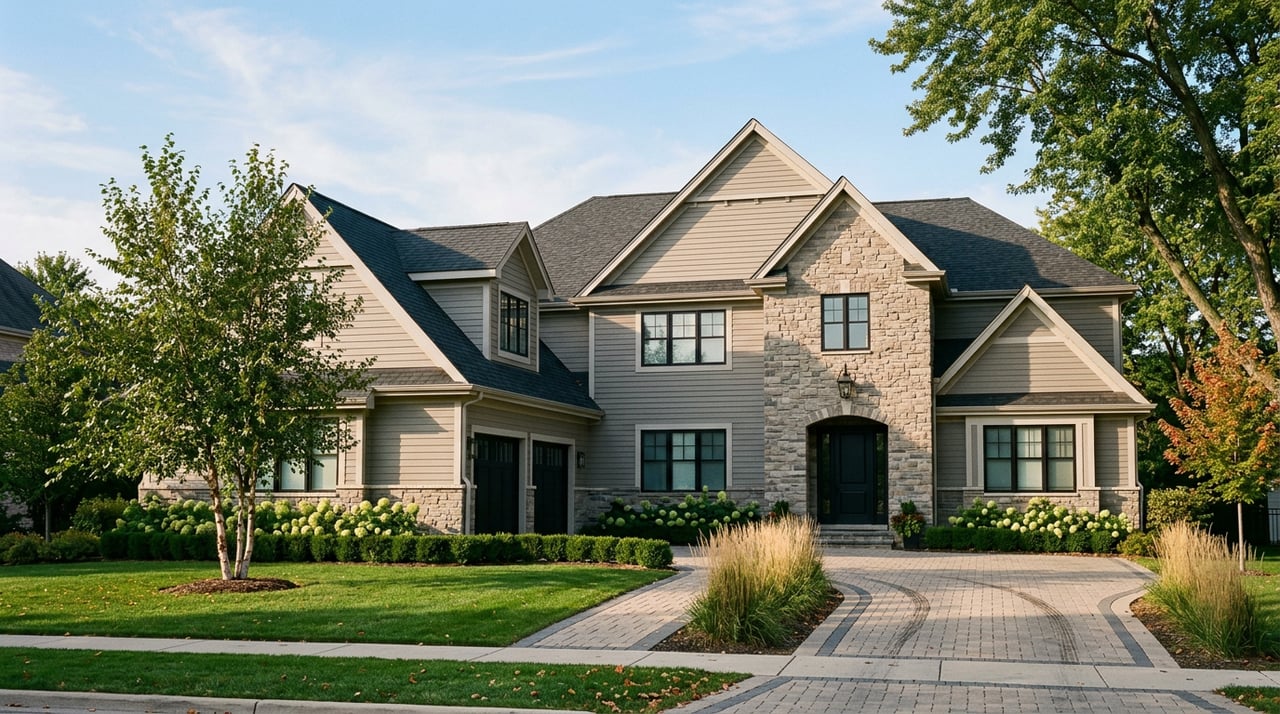
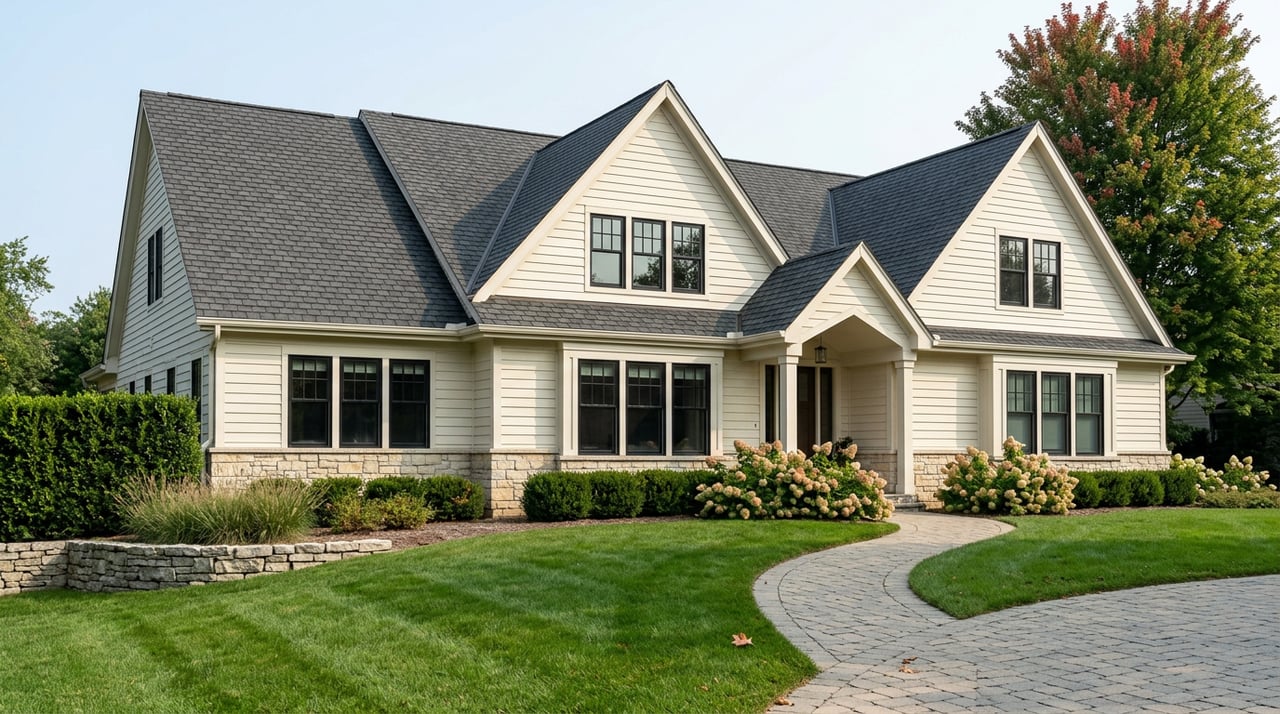
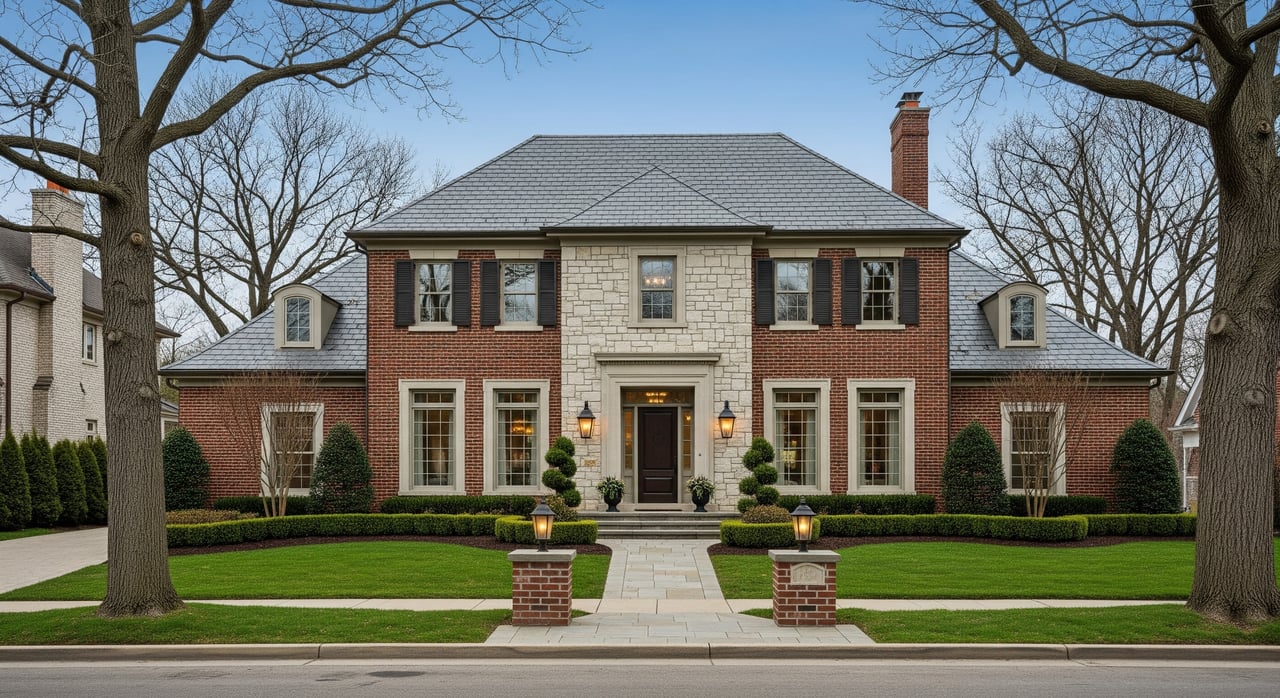
Noblesville sits within the Indianapolis metro and serves as the county seat of Hamilton County. Many buyers compare it with nearby suburbs like Fishers, Carmel, and Westfield, which means broader regional trends matter. You will see a mix of historic downtown homes, established suburban neighborhoods, and newer master-planned subdivisions. Demand often ties to commute access, local jobs, amenities, and how new construction competes with resale listings.
Municipal and school district boundaries can influence pricing and time on market. If you are relocating, weigh neighborhoods by commute, amenities, and the type of homes you prefer, then compare Noblesville to adjacent communities. Builders are active in the area, which can affect inventory levels and incentives. Your strategy should account for how new-home options and resale listings interact at your price point.
Core market signals to watch
Inventory and supply
Inventory is the number of active listings at a given time. When inventory is low compared to recent history, sellers tend to have the advantage. When inventory rises, buyers gain more choice and leverage. Look at current inventory versus the same month last year and a 6 to 12 month average to smooth out seasonality.
Months of supply tells you how long the current inventory would take to sell at the recent pace. As a rule of thumb, under 4 months leans seller-friendly, 4 to 6 is more balanced, and over 6 leans buyer-friendly. Use months of supply to gauge urgency and negotiation posture.
Days on market
Days on market measures how long a home takes to go under contract. Falling days on market often signal rising competition. Focus on the median rather than the average to avoid outliers. A 30, 60, and 90 day view gives a clearer picture than a single monthly snapshot.
Sale-to-list ratio
This metric shows the final sale price as a percentage of the last list price. Over 100 percent suggests bidding pressure and limited negotiation room. Between 95 and 100 percent points to modest negotiation. Below 95 percent can indicate consistent buyer discounts.
Prices and per square foot
Use trends, not one-off numbers. Median price can help you understand direction without being skewed by outliers. Price per square foot is most useful when comparing similar homes, like three-bed single-family houses in the same micro-market. Tie price-per-square-foot bands to what you get in lot size, age of home, and features.
New construction vs resale
New builds often carry a premium per square foot, but they may include incentives, flexible timing, and warranties. Resales can offer mature neighborhoods and established landscaping, sometimes at a stronger value per finished square foot. Builder activity can raise visible inventory while also drawing buyers away from resales. Compare total out-the-door costs, incentives, and timelines.
Price bands by tier
Markets behave differently across price points. Entry-level homes below the local median typically move fastest and draw multiple offers. The move-up tier around the median often has the widest selection. Premium and luxury homes above the median usually have more days on market and a narrower buyer pool.
Seasonality in Noblesville
Noblesville follows a familiar suburban rhythm. Spring tends to bring the most listings and the most buyers, which can mean more competition. Summer activity stays steady, especially for moves tied to school calendars. Fall usually slows, and winter often sees the lowest inventory but can offer the most negotiating room.
If you must move in summer
Be fully pre-approved and ready to tour quickly. Focus on micro-markets that fit your must-haves so you can act with confidence. Expect well-priced, move-in-ready homes to move fast. Strong terms and clean offers help you stand out.
If you can be flexible
Target late fall and winter for more negotiation room. Even with fewer listings, motivated sellers may work with your timeline and requests. You can take more time to compare micro-markets without as much competition. Use the lull to lock in value.
Keep an eye on rates
Mortgage rates can change affordability as much as seasonality. If rates dip, buyer demand can rise, even off-season. If rates climb, pricing pressure may ease. Align your search and offer timing with your financing plan.
A simple plan for relocators
1) Define must-haves and deal-breakers
List your essentials like commute time, yard size, number of beds and baths, and new vs older home. Add items that are nice-to-have and those you can flex on. Keep the focus on daily life needs and long-term fit. Share this list with your agent so you stay on track.
2) Set price bands around the local median
Create three tiers around the current median for Noblesville. Think entry-level up to roughly 80 percent of the median, move-up around 80 to 120 percent, and premium above that. Each band has different competition, days on market, and negotiation norms. Adjust for specific needs such as larger lots or custom features.
3) Compare micro-markets, not just averages
Break Noblesville into practical zones: historic downtown, older suburban neighborhoods, newer subdivisions, and new-construction enclaves. For each, compare recent days on market, months of supply, and price trends. Note typical home ages, lot sizes, and HOA setups. Align each micro-market with your lifestyle and commute.
4) Use a 3-metric listing checklist
- Inventory context: Is inventory rising or falling in that micro-market over the last 3 to 6 months?
- Competitiveness: What are the recent median days on market and sale-to-list ratio at that price point?
- Fit: Does the home meet your must-haves, and how likely is it to draw multiple offers?
5) Match your negotiation posture
- Seller’s market: Prepare strong terms, clean contingencies where appropriate, and flexible closing.
- Balanced market: Aim for fair pricing with modest concessions and reasonable timelines.
- Buyer’s market: Explore concessions, seller-paid closing costs, or price reductions.
Micro-markets at a glance
Historic downtown
Expect a mix of older homes with character and walkability to shops and dining. Lot sizes can be smaller, and home ages vary widely. Renovations and unique features can influence price per square foot. Days on market can vary based on condition and updates.
Established suburban neighborhoods
These areas often feature mid- to late-20th-century homes with mature trees and larger yards. You may find a range of styles and floor plans. Prices can be more stable due to comparable home types. HOA presence varies by neighborhood.
Newer subdivisions
Master-planned communities tend to offer modern layouts, energy-efficient systems, and neighborhood amenities. Expect consistent finishes and lot sizes, with resale comparables easier to evaluate. Competition can be strong for move-in-ready homes. HOAs typically manage community standards and amenities.
New-construction enclaves
Builders may offer spec homes or to-be-built options. Incentives and design choices can improve value, but timelines may be longer. Compare builder packages, warranties, and total costs. Weigh nearby resale prices to benchmark what you are getting.
Verify before you write offers
- Pull 3, 6, and 12 month figures for inventory and months of supply in your target micro-market.
- Check median days on market and the recent sale-to-list ratio at your price band.
- Review the number of new listings by month to see if selection is rising or falling.
- Confirm property taxes, HOA fees, and any special assessments.
- Map commute routes and timing to your daily destinations.
- For new builds, document incentives, upgrade pricing, and realistic delivery dates.
- Understand standard inspection timelines and contingency norms in Indiana.
Red flags and mistakes to avoid
- Relying on a single month of data when a rolling average tells a different story.
- Assuming a small neighborhood sample reflects the entire market, especially in the luxury tier.
- Emotional overbidding without tight comps and a pre-set walkaway price.
- Ignoring commute time or long-term fit to chase a short-term deal.
- Confusing citywide averages with the micro-market where you want to buy.
Buy or sell now?
The right move depends on inventory, months of supply, and your timeline. If supply is tight and you need to move soon, prepare to act decisively with financing and terms dialed in. If supply is higher and your timing is flexible, focus on negotiation and value. A current data pull for your price band and micro-market will clarify your best path.
Ready to get started?
You deserve a clear plan, tailored to your goals and timeline. If you want a private, data-backed strategy for Noblesville, connect with Mike Deck to request a complimentary home valuation or schedule a relocation consult. With deep local expertise, builder relationships, and white-glove guidance, you can move with confidence.
FAQs
Is now a good time to buy in Noblesville?
- It depends on months of supply and your timing; act quickly if supply is low and you must move, or target late fall/winter for more negotiation if you are flexible.
How do price bands affect strategy in Noblesville?
- Entry-level homes face the most competition, move-up has the broadest selection, and premium tiers often have longer days on market and more room to negotiate.
Should I choose new construction or a resale in Noblesville?
- New builds may offer incentives, customization, and warranties, while resales can provide mature neighborhoods and faster timelines; compare total costs and delivery dates.
How does seasonality change my odds as a buyer?
- Spring brings selection and competition, summer stays active, fall often softens, and winter can offer better negotiating power despite fewer listings.
What should I budget beyond the purchase price in Hamilton County?
- Plan for property taxes, HOA fees if applicable, closing costs, inspection costs, and potential upgrades or maintenance, plus utilities based on the home’s size and systems.
Do school boundaries impact home prices in Noblesville?
- School district lines can influence demand, pricing, and days on market; verify current boundary maps and compare micro-markets that fit your needs and commute.