Wondering how to buy a home inside The Bridgewater Club without missing an important detail? You are not alone. Bridgewater is one of the most recognized golf-community addresses in the north Indianapolis suburbs, but buying here involves more than choosing a beautiful home. If you understand how the house, the association, and the club fit together, you can move forward with more confidence and fewer surprises. Let’s dive in.
Start With How Bridgewater Works
The first thing to know is that The Bridgewater Club is not just one entity. The club itself is privately owned and managed, while the Bridgewater Club Master Association is a separate nonprofit that manages common-area property and assets. There is also a separate Parks Foundation that owns the park and its amenities.
That matters because when you buy here, you are often evaluating three separate tracks at once: the home, the HOA structure, and the club membership options. Treating Bridgewater as a simple neighborhood purchase can leave gaps in your due diligence.
Official community materials describe Bridgewater as a 725-acre golf-cart community with 27 holes of golf, a 5-mile walking trail, and 18 lakes and ponds. For many buyers, that lifestyle is a big part of the appeal. Still, it is smart to verify exactly what comes with the specific property you are considering.
Know That Not Every Home Is the Same
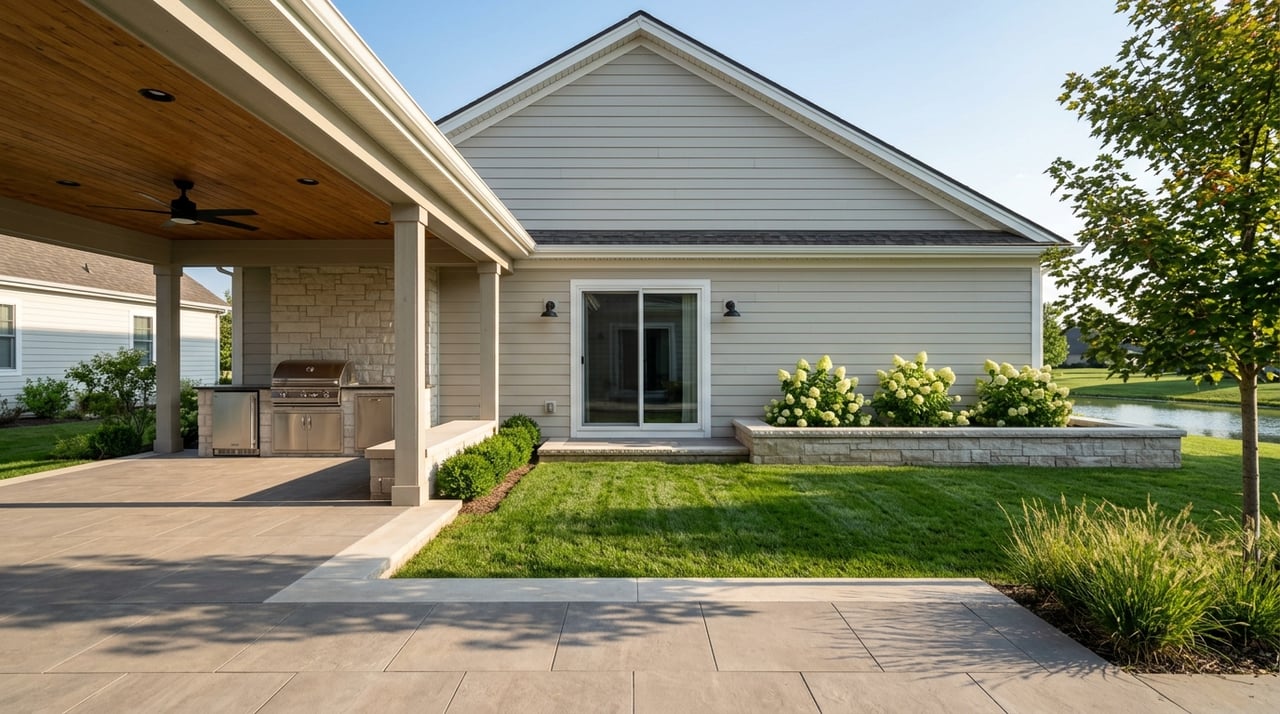
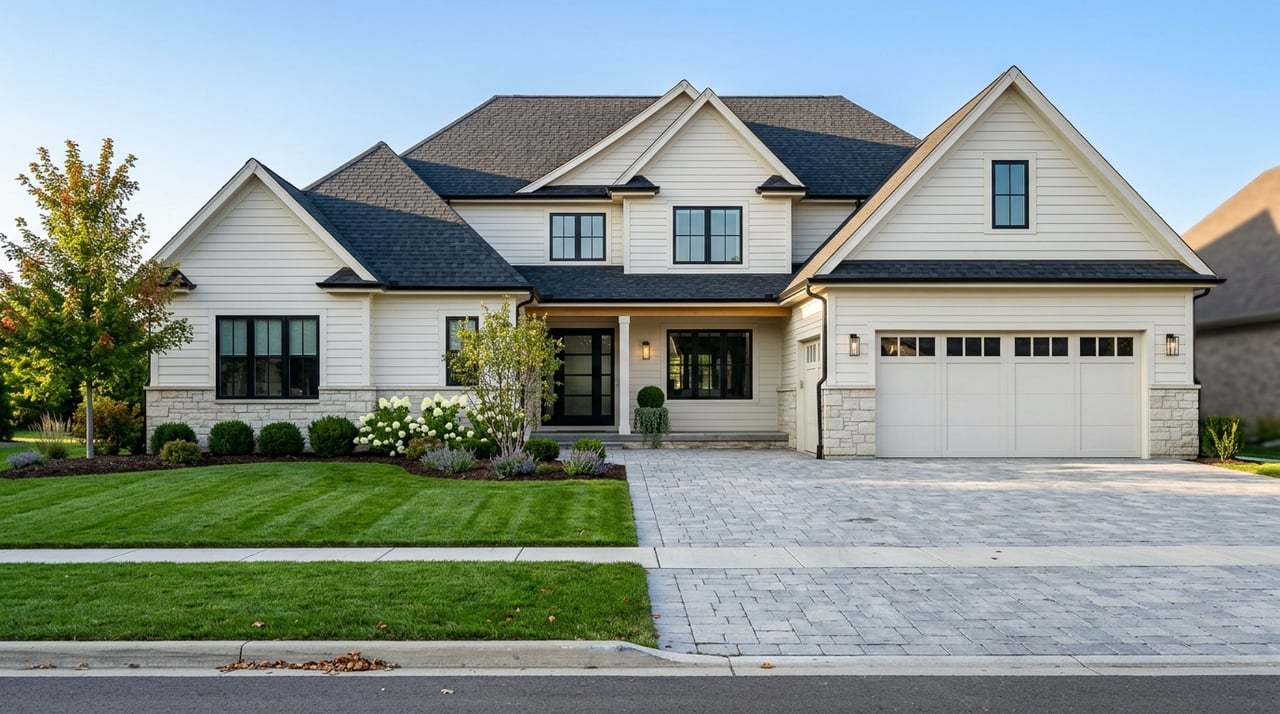
One of the biggest buying mistakes in Bridgewater is assuming every listing offers the same experience. It does not. The community includes custom homes, golf-front estates, villas, garden homes, townhomes, townhome cottages, and enclaves such as The Commons, The Moorings, Waterford, Waterford Cottages, Bridgewater Village, and Grassy Branch.
That means your decision should go beyond square footage and finishes. The plat, lot placement, and sub-neighborhood can affect setbacks, exterior standards, renovation options, and even how the home functions for your long-term plans.
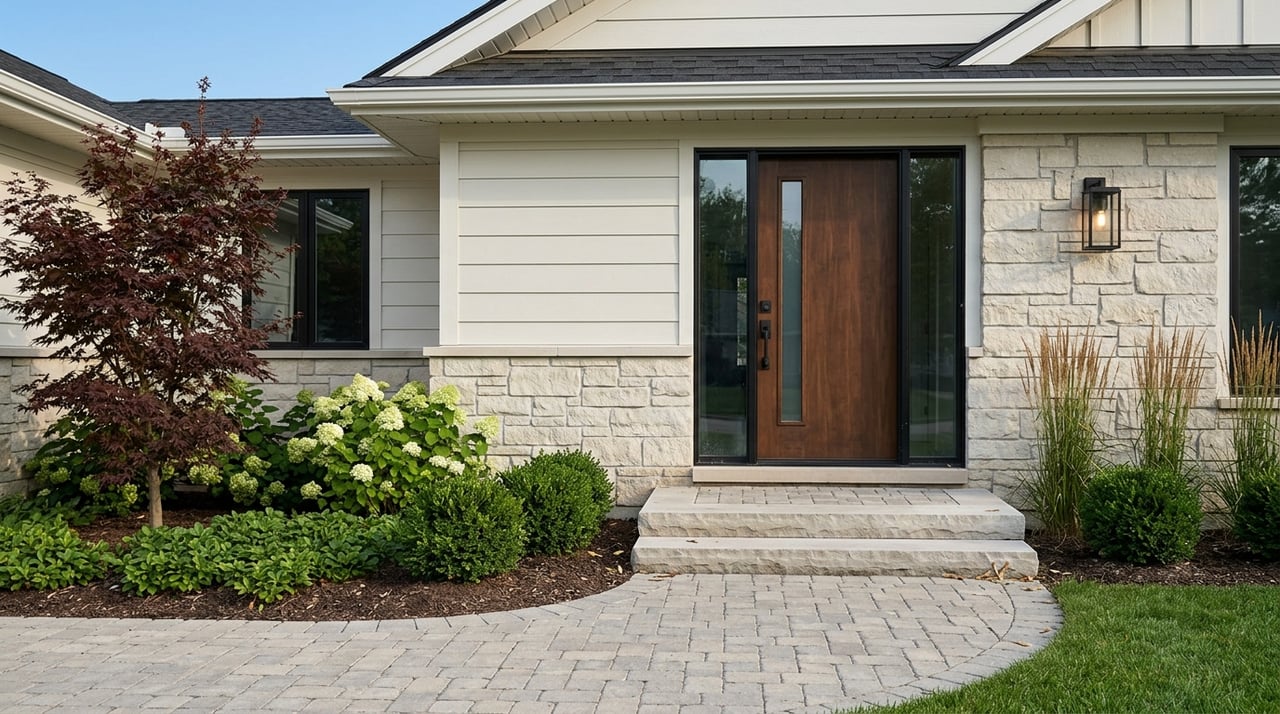
If you are comparing two homes in Bridgewater, look closely at more than the photos. A golf-front estate, a cottage-style property, and a villa may all offer a different ownership experience, even if they sit within the same overall community.
Verify City Services and School Assignments
Bridgewater buyers should avoid assumptions about civic details. The resident site points owners toward Westfield city services and also references Carmel High, Westfield High, and Guerin Catholic resources. That is a strong signal that you should verify the exact parcel’s city services and school assignments rather than relying on a broad community label.
In other words, two homes with a Bridgewater address may not always carry the same practical details. Before you write an offer, confirm the specific property information that matters most to your household and your future plans.
Review HOA Documents Early
In Bridgewater, association documents are not a formality. They are a major part of the buying process. The Master Association currently lists governing documents that include the master declaration, bylaws, architectural guidelines, delinquency policy, sanction and fine policy, political-sign policy, and compliance and appeal guidelines.
These documents can reveal rules that affect how you live in the home and how flexible the property may be later. They can also highlight possible costs, enforcement procedures, parking expectations, exterior controls, and leasing restrictions.
A smart buyer reviews these documents as early as possible. That gives you time to ask questions before you are deep into inspections, financing, and closing prep.
Understand Leasing and Use Restrictions
If flexibility matters to you, read the rules carefully. The architectural guidelines prohibit time-share or VRBO-type use. Leasing is allowed only subject to restrictions, and leases under one year require written approval.
The guidelines also say lease documents must be delivered to the association at least 14 days before the lease starts. There is also a three-year waiting period after acquisition before ordinary leasing. For some buyers, that may not matter at all. For others, it can significantly shape the purchase decision.
This is especially important if you think you may relocate, hold the home as a future investment, or need a backup plan for life changes. In Bridgewater, resale value and lifestyle fit are both tied to the rules.
Treat Membership as a Separate Question
Many buyers assume club membership is automatically bundled with the home. In Bridgewater, that is something you need to verify, not assume. The public membership materials show multiple categories, including Sport & Social, Platinum, Junior Platinum, Young Professional Platinum, and Corporate, and they note that dues and fees can change.
The membership packet also states that listed memberships have no capital or operating assessments. Still, the practical questions for a buyer are more specific. You should confirm what each membership includes, whether membership is optional or tied to the property, whether any initiation or locker-related fees apply, how guest access works, whether a membership transfers with the home, and whether a separate approval process is required.
The club’s public materials describe access to a 70,000-square-foot clubhouse with dining, indoor and outdoor pools, a 15,000-square-foot fitness center, six tennis courts, six pickleball courts, massage and steam rooms, and childcare. Those amenities can be a major draw, but they only add value to your purchase if the membership structure fits how you plan to use the community.
Ask the Right Questions Before You Offer
The best Bridgewater purchases start with clear questions, not assumptions. Before you submit an offer, make sure you understand the home itself, the association rules, and the club membership path.
Here are a few smart questions to ask early:
- Is this property in a specific Bridgewater sub-neighborhood with unique standards?
- Are there current HOA rules that affect parking, exterior changes, trash storage, or trail and golf-cart use?
- Does the property include any club membership rights, or is membership handled separately?
- Are there transfer steps, applications, or additional fees tied to club access?
- If you want to lease the property later, what restrictions apply?
- If you want to renovate, what approvals will be required?
These are not small details in a community like Bridgewater. They are part of understanding the full value and function of the property.
Plan for Renovations Before Closing
If you are buying with plans to personalize the home, study the Architectural Review Committee process before closing. In Bridgewater, ARC approval is not optional for exterior changes covered by the guidelines. Approval may take up to 30 days, and approvals are valid for 12 months.
Depending on the project, your submission may need a plat or survey, elevations or blueprints, material samples, permit information, and a project schedule. The guidelines also state that exterior changes must fit the existing construction or use compatible materials.
This review process is separate from local government requirements. The ARC review works on top of applicable requirements from the Town of Westfield, Hamilton County, and the State of Indiana. If you hope to add a pool, modify a patio, change exterior materials, or build an addition, build that timing into your purchase plan.
Follow a Three-Part Due Diligence Process
The cleanest way to buy in Bridgewater is to review the purchase in three parts: house, HOA, and club membership. When buyers verify all three early, they are less likely to be surprised by fees, restrictions, or delays.
For the house itself, inspect the property carefully and pay attention to major systems and exterior features. In a golf-community setting, issues tied to roofing, drainage, structural conditions, exterior materials, or pool components can affect both negotiations and lender requirements.
For the HOA, read the governing documents closely. Focus on leasing limits, fine exposure, architectural rules, parking standards, and any policies that could affect your day-to-day use of the property.
For the club, verify the current membership structure directly. Public information is a helpful starting point, but the final answer on benefits, transferability, fees, and approval steps should come from the current club process.
Use Indiana Disclosure Forms Carefully
Indiana’s seller disclosure form is one of the first documents you should review. For most 1 to 4 unit residential properties, sellers generally must complete the disclosure before an offer is accepted.
The form asks about HOA covenants or restrictions, zoning or building-code issues, flood plain status, and whether access is by a private road or easement. In Bridgewater, each of those items can carry extra importance because of the community structure and lot-specific differences.
Do not skim this document. Read it alongside the association materials and the listing details so you can spot gaps and ask follow-up questions quickly.
Keep Contingencies and Timing in Mind
Even in a luxury purchase, the basics still matter. Your inspection and appraisal timeline can shape the deal just as much as the location or finishes. Inspections help uncover problems early, and appraisals can affect financing, repairs, or renegotiation.
In Bridgewater, those checkpoints are especially important if the home has exterior features or deferred maintenance that could raise concerns. Golf-course and lifestyle properties often carry details that deserve a closer look, from drainage to pools to exterior wear.
Closing also has a hard deadline to remember. Your lender must provide the Closing Disclosure at least three business days before closing. That review window is a good time to confirm fees, title items, and final numbers so there are no last-minute surprises.
Why Local Guidance Matters in Bridgewater
Buying in The Bridgewater Club is not difficult when you know what to look for. It is simply more layered than a typical neighborhood purchase. You are buying into a home, a rules structure, and potentially a club lifestyle at the same time.
That is why local experience matters. A buyer who understands Bridgewater’s micro-markets, housing types, document trail, and club questions is in a much better position to make a strong decision and protect their investment.
If you are considering a move inside The Bridgewater Club, working with a team that knows luxury homes, golf-community properties, and the Carmel-area market can make the process smoother from the first showing to the closing table. When you are ready to explore homes or compare your options, connect with Mike Deck.
FAQs
What should you verify before buying a home in The Bridgewater Club?
- You should verify the home condition, HOA documents, sub-neighborhood rules, membership options, leasing restrictions, and any renovation approval requirements.
Does buying a home in The Bridgewater Club automatically include club membership?
- Not necessarily. You should confirm whether membership is optional, tied to the property, transferable, or subject to separate fees or approval.
Can you renovate a home after buying in The Bridgewater Club?
- Yes, but many exterior changes require Architectural Review Committee approval, and that review can take up to 30 days depending on the project.
Are all homes in The Bridgewater Club the same type of property?
- No. Bridgewater includes multiple housing types and sub-neighborhoods, including estates, villas, garden homes, townhomes, and cottages.
Can you lease out a home in The Bridgewater Club?
- Leasing is subject to restrictions, including written approval for leases under one year and a three-year waiting period after acquisition before ordinary leasing.
Why is buying in The Bridgewater Club different from buying in a typical neighborhood?
- Bridgewater purchases usually require three-part due diligence because you need to evaluate the house, the HOA structure, and the club membership details separately.